
by Saima Khan, Spectrum News
As demand for workers in science, technology, engineering and math (STEM) continues to grow, experts say the U.S. cannot afford to leave half its workforce behind.
Women earn college degrees at higher rates than men, according to data from the Pew Research Center, yet remain underrepresented in STEM occupations. National figures show a persistent gender gap, even as more women enter the field.
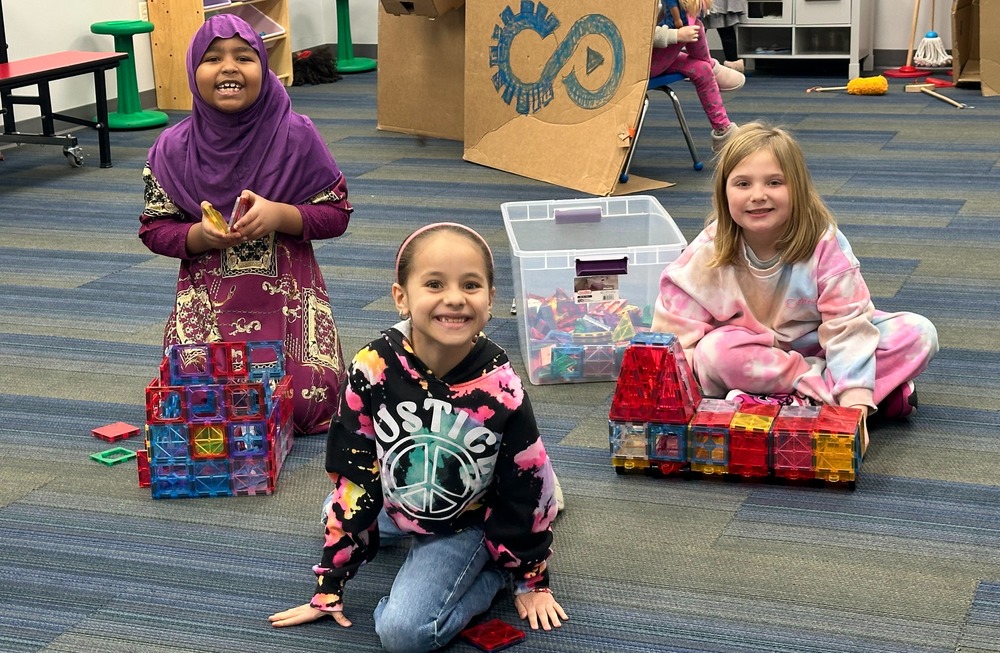
At Metro Elementary School, educators are trying to narrow that gap by introducing students to STEM concepts early — and making sure girls are equally encouraged to participate.
For fifth grader Fariha A., the hands-on lessons in the Metro curriculum sparked a deeper interest.
"Ever since I joined the school, I got so excited about STEM that I started learning more about technology at home and how it helps us in our future," Ahmed said.
Research suggests those early experiences can make a difference. A 2025 study found that girls who take STEM classes alongside male peers are more likely to remain interested in the field. Educators say collaboration helps build that confidence.
"Starting at a young age and teaching students what it's really like to be part of a team and continuing to persist to get to an explanation of a problem is something that's vitally important and seriously needed," said Meka Pace, Superintendent of Metro Schools.
The principal of Metro Elementary, Amy Lint, said the district emphasizes hands-on learning to make STEM subjects accessible.
“We try to make the learning engaging. So, we have a lot of hands-on things that we do. We have a design challenge every month that's related to something happening in our community or in the world,” Pace said.
Nationally, women account for approximately 18% of the STEM workforce, compared with about 30% of men, according to the National Science Board. The Bureau of Labor Statistics projections show STEM jobs are expected to grow about 10% over the next decade, faster than most other occupations.
Students like Ahmed described a growing enthusiasm for technology, coding and hands-on projects. They said STEM learning is both engaging and fun. Lint said sparking that excitement is only the beginning, adding that the broader goal is to help students stay persistent in STEM fields.
“There also is a STEM mindset. And that's what we're really working on here at Metro. And it's particularly important for the girls, so this is about being a collaborative learner being an engaged learner being a critical thinker,” Lint said.
School leaders said partnerships with The Ohio State University and the Battelle Center for Science, Engineering and Public Policy provide students with mentorship and exposure to potential careers.
“They support the work that we do but they also provide those opportunities. So whether it's mentorship, whether it is Capstone research opportunities, we're getting our kids out in the field to actually experience some of these careers,” Pace said.